
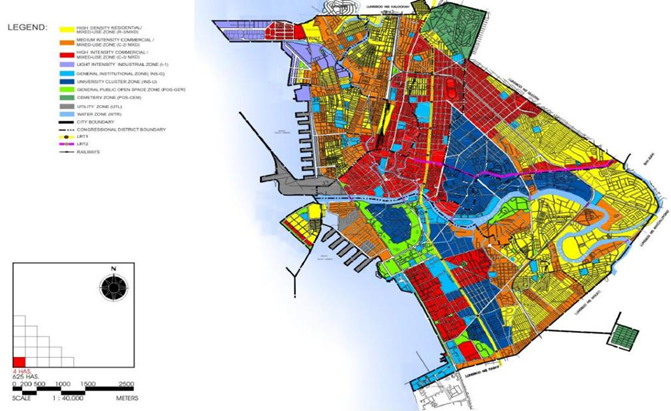
Figure 1. Comprehensive Land Use Plan of the City of Manila
Tackling Classification and Zoning
Classification refers to how land is categorized based on its general use as determined by the national government, typically through the Department of Agrarian Reform (DAR) or the Department of Environment and Natural Resources (DENR). For example, land may be classified as agricultural, residential, commercial, industrial, or forest land. This determines the broad purpose for which a property can be used and sets the foundation for development possibilities.
Zoning, on the other hand, is a more detailed regulation imposed by local government units (LGUs) through their zoning ordinances. It dictates the specific use of land within a municipality or city, such as whether a particular area is designated for low-density residential, high-density residential, commercial, or industrial purposes. Unlike classification, zoning operates at the local level and is more precise, guiding actual land use planning and ensuring orderly urban development.
Here are 3 simple ways to differentiate classification from zoning.
1. Identifying Government Deciding Body
One way to define classifications and zoning is through its government deciding body. If the purpose of the land is decided by the national government, typically through the Department of Agrarian Reform (DAR) or the Department of Environment and Natural Resources (DENR), it falls under classification. On the other hand, if the purpose of the land is decided by the local government units (LGUs) through their zoning ordinances, it falls under zoning.
2. Identifying the Scope of the Land
Another way to differentiate classifications and zoning is to identify the scope of the land. If the land is for a broad purpose, it falls under classification. It has a broad purpose if the land is for general use which may be classified as agricultural, residential, commercial, industrial, or forest land. On the other hand, if the land is for a localized, city, or municipal level, it falls under zoning. In zoning, the land has a specific use and it determines whether a particular area is designated for low-density residential, high-density residential, commercial, or industrial purposes.
3. Identifying the Function of the Land
The third way of separating classification from zoning is to identify the function of the land. In classification, the land can be used and sets the foundation for development possibilities. Unlike classification, zoning operates at the local level and is more precise, guiding actual land use planning and ensuring orderly urban development.
Interconnectedness of Classification and Zoning
In identifying the answers to these 3 questions, we get to understand how classification and zoning work and how they differ from each other. Despite their differences, both are essential in real estate and are complementary to each other. Classifications serve as the foundation which will act as a foundation for zoning. Zoning cannot co-exist without the classifications, and vice versa. Classification is needed as a framework for zoning, and zoning supplements the framework by setting the actual and specific developments and ensuring it meets and follows the framework.