For nearly a decade, a massive three-storey retail development spanning over 2 hectares in Antipolo stood dormant a once-promising commercial landmark slowly fading within one of the region’s fastest-growing cities.
The property carried enormous long-term potential. Yet years of inactivity transformed the development into a challenging commercial asset marked by declining market visibility, shifting consumer behavior, and increasing uncertainty surrounding its future.
Where many saw an increasingly difficult property to revive, PRIME Philippines recognized an opportunity for large-scale retail transformation.
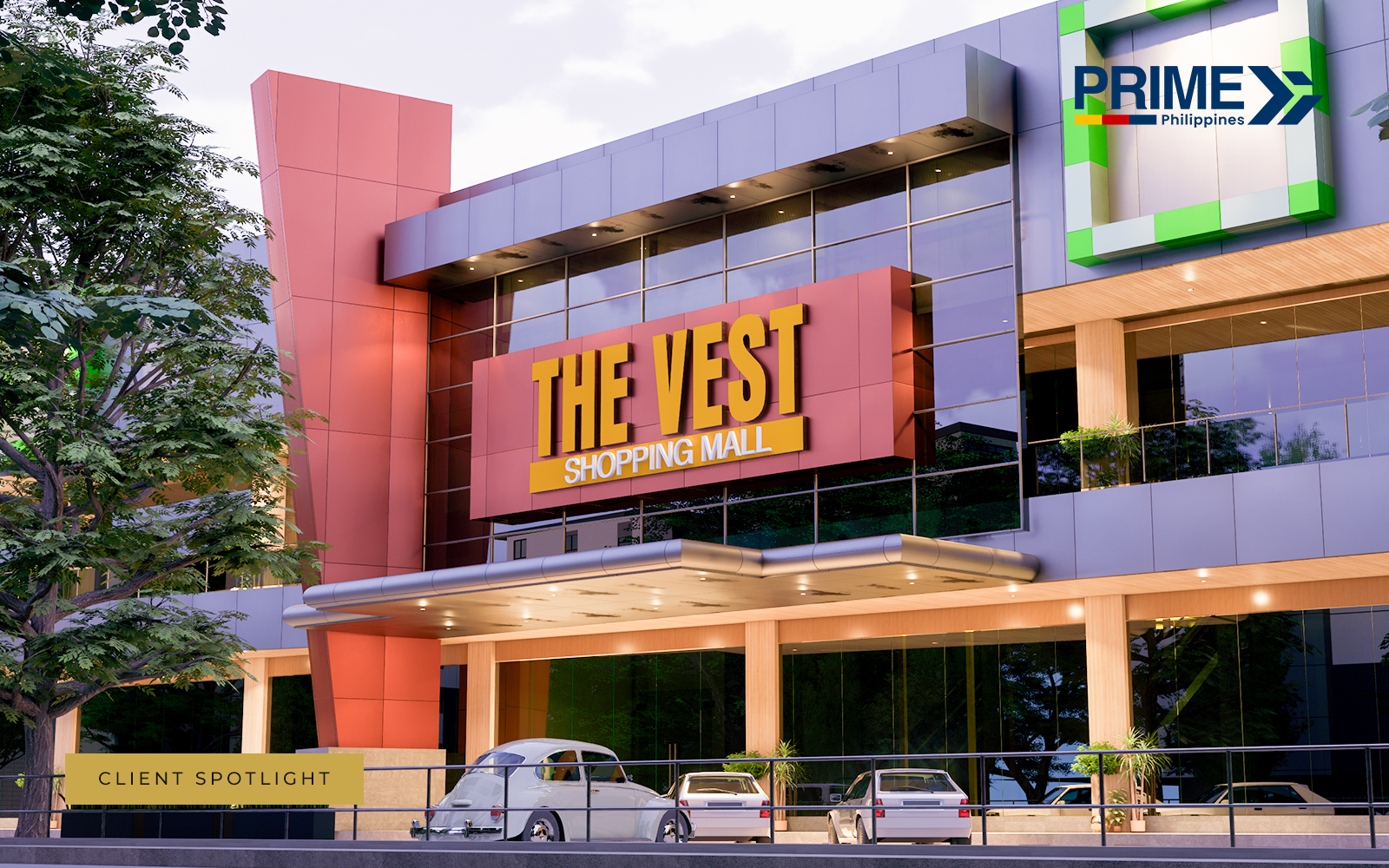
Through strategic leasing execution, institutional occupier engagement, and long-term asset repositioning, PRIME Philippines successfully identified and secured The Vest Shopping Center as the full-building operator for the development — ultimately transforming a long-idle structure into a thriving destination retail hub serving the growing Antipolo market.
The project stands today as a compelling example of how strategic commercial real estate advisory can unlock value from dormant retail assets and reposition them into commercially sustainable developments within emerging provincial growth corridors.
Reviving a Dormant Retail Landmark in Antipolo
Reactivating a long-vacant retail development requires far more than simply filling available space. Large-format commercial assets demand institutional-grade leasing strategies capable of restoring market confidence, improving long-term operational sustainability, and repositioning the property within an evolving retail landscape.
This challenge becomes even more complex in high-growth provincial markets such as Antipolo, where rapid residential expansion, changing consumer demand, and increasing commercial competition continue to reshape the market environment.
Prior to PRIME Philippines’ appointment as leasing advisor, the development had remained inactive for nearly nine years after its originally intended tenant withdrew prior to occupancy. Over time, the prolonged vacancy weakened leasing momentum and created growing uncertainty surrounding the property’s long-term viability.
Despite these challenges, PRIME Philippines recognized strong underlying fundamentals behind the asset, including:
- strategic accessibility,
- strong surrounding residential density,
- large-scale retail capacity,
- and significant long-term commercial potential within Rizal’s expanding economic landscape.
Rather than approaching the property through a conventional leasing strategy, PRIME Philippines implemented a focused asset repositioning framework designed to unlock the property’s highest and best long-term use.
How PRIME Philippines Positioned the Property for Recovery
Unlike traditional brokerage approaches centered primarily on short-term occupancy, PRIME Philippines approached the development from a strategic activation perspective.
The firm understood that fragmented tenancy structures could potentially limit operational efficiency, dilute branding consistency, and slow down long-term market recovery. Instead, PRIME Philippines strategically positioned the development as a unified destination retail platform capable of supporting a single institutional retail operator.
This leasing strategy offered several long-term advantages:
- faster operational activation,
- centralized property management,
- stronger brand consistency,
- coordinated tenant mix planning,
- improved customer experience,
- and enhanced commercial sustainability.
More importantly, the approach aligned the property with evolving retail trends favoring destination-oriented community developments over fragmented retail configurations.
By maintaining disciplined engagement with expansion-ready institutional occupiers, PRIME Philippines ensured the property remained visible within the retail market despite one of the most challenging leasing environments in recent history.
Navigating a Challenging Retail Leasing Environment
The engagement began prior to the pandemic and continued throughout a period that significantly disrupted retail expansion activity across the Philippines.
During this time, many retailers delayed expansion plans, reassessed capital deployment strategies, and prioritized operational stability amid widespread market uncertainty.
For many long-idle commercial developments, these conditions further reduced the likelihood of recovery.
However, PRIME Philippines sustained active negotiations, strategic positioning efforts, and continuous occupier engagement for the property throughout the changing market cycle.
This long-term advisory approach ultimately became a defining factor in preserving the property’s market relevance and securing institutional-level interest despite broader industry challenges.
Identifying the Right Retail Operator for Long-Term Success
One of the most critical components of the engagement involved identifying an operator capable of maximizing the development’s long-term commercial potential.
Rather than prioritizing short-term occupancy targets, PRIME Philippines focused on securing an institutional retail partner aligned with the property’s scale, operational requirements, and long-term positioning strategy.
Through sustained engagement with expansion-ready retailers, PRIME Philippines successfully identified The Vest Shopping Center as the ideal operator to activate the development under a unified destination retail concept.
The full-building lease transaction, completed in 2024, marked a major turning point for the property.
What was once viewed as a dormant commercial structure with unrealized potential evolved into a fully activated retail platform capable of serving surrounding residential communities while contributing to Antipolo’s growing commercial ecosystem.
The transaction also reinforced the importance of aligning landlord objectives with operator capability and long-term commercial sustainability — particularly for large-format retail developments within emerging provincial markets.
From Vacant Structure to Destination Retail Hub
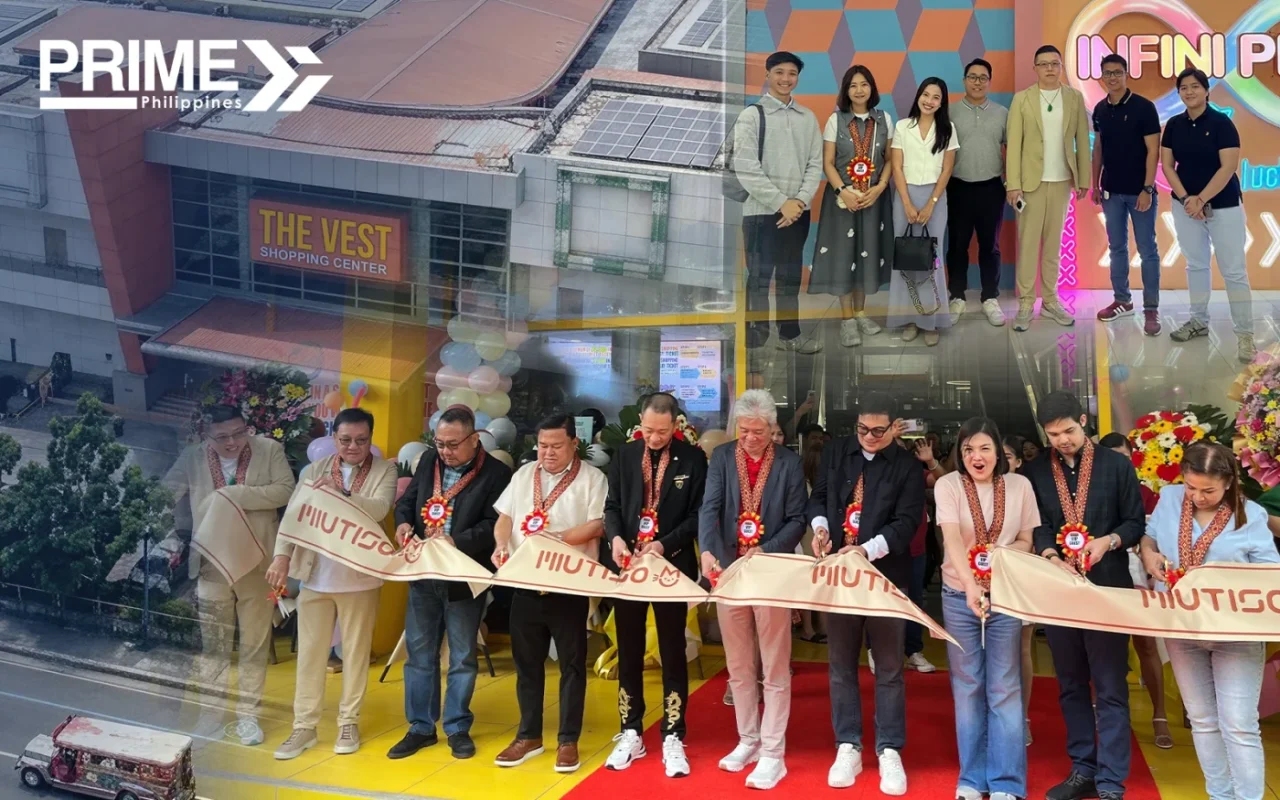
The development reached another major milestone in November 2025 with its official public opening under The Vest Shopping Center’s management.
Among its major attractions was the launch of the largest indoor playground in Rizal, strengthening the property’s positioning as a family-oriented lifestyle destination and reinforcing its role within the city’s evolving retail infrastructure.
Experiential retail anchors of this scale continue to play an increasingly important role in modern commercial developments by:
- increasing consumer visitation,
- improving tenant sustainability,
- strengthening dwell time,
- and enhancing long-term destination appeal.
Today, the once-dormant structure stands as a revitalized retail and lifestyle hub serving the growing Antipolo market — demonstrating how strategic leasing execution and institutional occupier alignment can transform underutilized commercial assets into economically sustainable retail destinations.
Why This Retail Transformation Matters
The successful repositioning of the development reflects broader shifts occurring across provincial commercial markets in the Philippines, where rising residential density, infrastructure expansion, and evolving consumer demand continue to create opportunities for destination retail growth outside Metro Manila.
For commercial property owners, the project demonstrates how strategic leasing execution and institutional occupier alignment can unlock long-term value from dormant retail assets.
For retailers such as The Vest Shopping Center, the development highlights the growing viability of provincial expansion through large-format community retail destinations.
Most importantly, the engagement reinforces PRIME Philippines’ capability to execute complex retail asset repositioning initiatives by combining:
- market insight,
- institutional occupier engagement,
- strategic leasing expertise,
- and long-term activation planning.
A Strong Example of Institutional-Grade Retail Asset Repositioning
Today, the once-idle development stands as a thriving commercial destination under The Vest Shopping Center’s operation — a transformation made possible through the strategic leasing expertise and long-term asset repositioning capabilities of PRIME Philippines.
For investors, developers, and property owners evaluating large-format retail assets, the project serves as a compelling example of how institutional-grade leasing execution can drive:
- asset recovery,
- operational sustainability,
- commercial relevance,
- and long-term economic value.
More importantly, it demonstrates a clear reality within today’s evolving retail landscape.
With the right advisory framework, sustained occupier engagement, and alignment between landlord objectives and operator capability, even long-dormant commercial assets can be transformed into high-impact retail destinations that support both investor confidence and regional economic growth.